


Research Accomplishments
In the 1990's, Dr. Sridharan and colleagues conducted pioneering research in the area of materials science and applications of the plasma-based ion implantation and deposition (PIIID) process. This original research at UW-Madison has spawned well over one-hundred research groups working in this area world-wide in universities, national laboratories, and the industry. As one of the few materials scientists working in this area at the NSF-funded Engineering Research Center for Plasma-Aided Manufacturing, Dr. Sridharan played a key role in creating and advancing the body of fundamental knowledge in the area of plasma-materials interactions and plasma surface modification of materials.
In 1998, Dr. Sridharan was a key member of a team that won the R&D 100 Award (top 100 inventions of the year) for the development of plasma-based surface modification processes for improving wear and corrosion resistance of materials. The scientific and technological knowledge created from this work led to Army Research Office grant awards, UW-Madison’s first Department of Energy CRADA award with General Motors Research Laboratory and Los Alamos National Laboratory and UW-Madison’s first NIST Advanced Technology Program in collaboration with Los Alamos National Laboratory and 14 leading U.S. companies.
In the year 2000, Dr. Sridharan initiated the area of high temperature corrosion research at UW-Madison, and in the subsequent decade, several million dollars grants have been received by UW-Madison for research in this area. In 2005, he initiated a research program on corrosion of materials in molten salts at UW-Madison. These research activities have established UW-Madison as an international leader in the area of materials corrosion in extreme environments.
Between 2007-2012, Dr. Sridharan served as the university lead for the Advanced Test Reactor – National Scientific User Facility (ATR-NSUF) at Idaho National Laboratory that involved neutron irradiation testing and evaluation of a wide range of conventional and reactor structural materials. This project paved the way for the successful implementation of numerous ATR-NSUF university projects nationwide. In 2011, he initiated the Cold Spray Materials Deposition Program at UW-Madison, making it the only university in the US with a commercial high pressure cold spray system. Dr. Sridharan has also been involved in surface modification of fuel cladding to make them more efficient and accident tolerant, using a variety of surface modification approaches, including ion-based processes, nano-scale elecotro-phoretic deposition, and MAX phase cold spray coatings. Along with colleagues, Dr. Sridharan has also been involved in nano-fabrication using plasma-based processes for nano-tribology applications and using the PIIID process for enhancing performance of micro-tools.
Dr. Sridharan has co-supervised the research of nearly 40 MS and PhD students and over 45 undergraduate students. He has also provided mentorship to electron microscopy students from Madison Area Technical College. Under the auspices of a joint program between UW-Madison and the Madison School District, he routinely mentors high school students through research projects during summers that culminate in poster session and participation in the Intel-sponsored International Science and Engineering Fair.
Examples of the facilities in Dr. Sridharan’s laboratories are shown below:
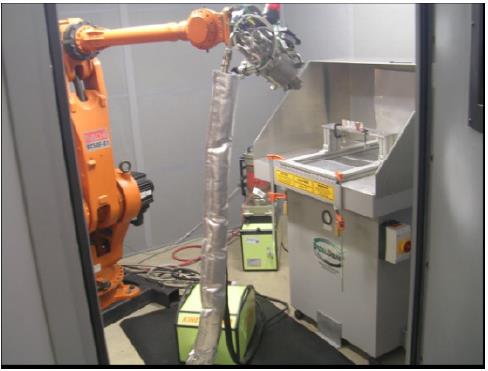
Cold Spray Materials Deposition Process for low temperature, high strain rate coatings for fundamental materials research and industrial applications.
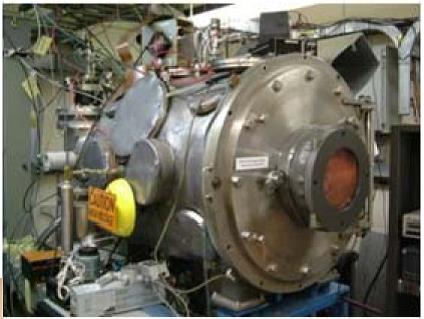
Plasma Immersion Ion Implantation and Deposition System for research on ion implantation and thin film deposition of materials.
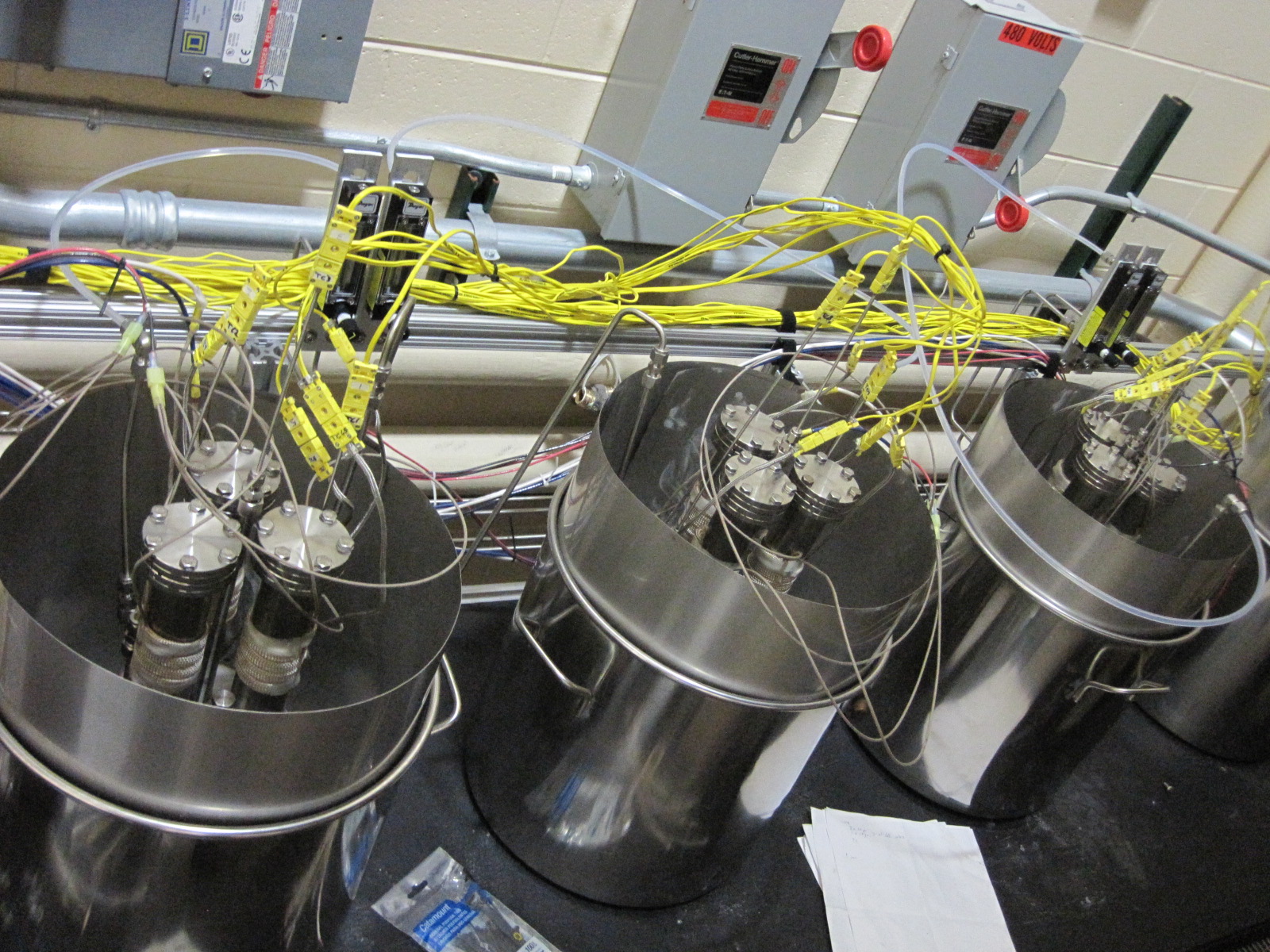
Molten Salt Corrosion Test Facility for testing and understanding materials’ corrosion performance in molten fluoride salt environments for future molten salt reactor.
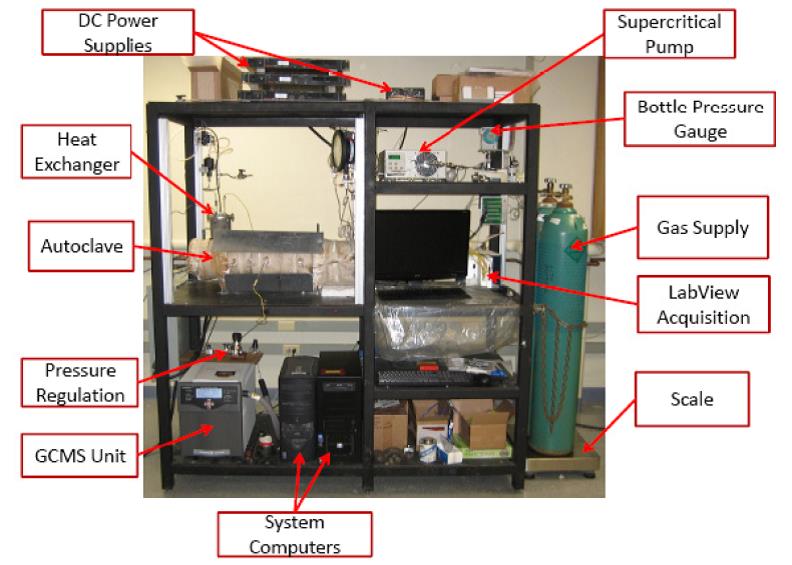
Supercritical Carbon-Dioxide Corrosion Test Facility for testing and understanding materials corrosion in high temperature supercritical carbon-dioxide for higher efficiency power conversion cycles.
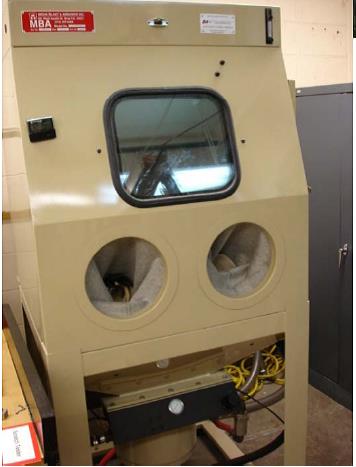
Shot Peening System for inducing near-surface compressive stresses and grain refinement in materials.
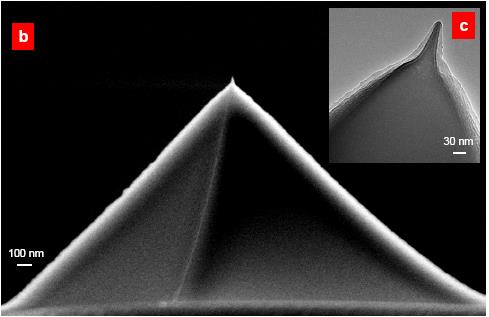
3D Si-O-C tip synthesized for nano-fabrication (in nano-tribology studies showed 3000 times greater wear resistance than Si tips).